
Top Smartwatches
The 13 Smartwatches in our lineup, chosen independently, never paid for.
Features

 Highly reviewed
Yoever
Smart Watch for Women Men, Smartwatch for iPhone & Android Bluetooth (Answer/Call) Built-in Alexa, 1.91" HD Fitness Tracker with 105+ Sport Modes, IP68 Waterproof, Sleep/Heart Rate/SpO2/Stress Monitor
 Highly reviewed
DIVOAZBVO
Smart Watch for Men, 1.39" HD Touchscreen Smartwatch with 120 Sports Modes, AI Voice Assistant, Heart Rate/Sleep Monitor, Bluetooth Call & Music Control Fitness Watch for iPhone/Android (Black)
 Highly reviewed
Apple
Apple Watch Series 7 (GPS + Cellular, 41mm) Starlight Aluminum Case with Starlight Sport Band, Regular (Renewed)
- 41 mm
- Always-on Retina
- swimproof

 Well reviewed
Samsung
Samsung Galaxy Watch 8 (2025), Graphite, 40mm, Bluetooth Smartwatch
- 40 mm
- Heart rate
- Android
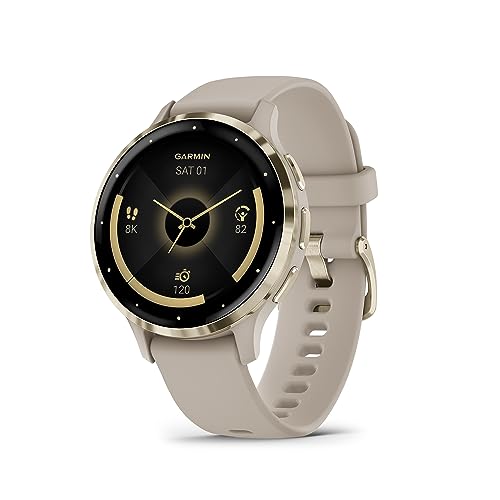
Garmin
Garmin vívoactive® 5, Health & Fitness GPS Smartwatch, 42mm, Ivory
Garmin
Garmin vívoactive® 5, Health & Fitness GPS Smartwatch, 42mm, Black
- 41 mm
- AMOLED
- Heart rate
Popular comparisons
How our top Smartwatches stack up, head to head.
- Apple Watch Series 10 (42mm) vs Apple Watch Series 10 (46mm)
- Apple Watch Series 10 (42mm) vs Apple Watch Series 11 (GPS, 46mm)
- Apple Watch Series 10 (42mm) vs Apple Watch SE 3 (GPS, 40mm)
- Apple Watch Series 10 (42mm) vs Smart Watch for Women Men, Smartwatch for iPhone & Android Bluetooth (Answer/Call) Built-in Alexa, 1.91" HD Fitness Tracker with 105+ Sport Modes, IP68 Waterproof, Sleep/Heart Rate/SpO2/Stress Monitor
The most-reviewed smartwatches on Proovad cluster tightly around a handful of measurable traits. Display sizes span 33 mm to 49 mm, with the majority of the field sitting in the 40 to 46 mm range, and AMOLED or OLED panels account for most of the lineup, alongside always-on Retina displays that appear on several Apple models. Every single one of the 12 products analyzed reports heart rate monitoring, GPS is present on 10 of 12, and Bluetooth calling is supported on 7 of the 8 products that address the feature at all. Blood oxygen tracking is more selective, appearing on 5 of the 9 products that mention it. Battery life is where the spread gets dramatic: one device claims 25 days in smartwatch mode, another tops out at 18 hours, and several fall in the 24 to 42 hour range for typical use. Case materials skew toward aluminum, with titanium appearing on the most rugged end of the category.
What to look for
That battery gap is the single most consequential trade-off in this category. A watch promising 25 days is almost certainly sacrificing display brightness, always-on capability, or processing speed to get there, while an 18-hour device is designed around daily charging as a habit. If you travel frequently or track overnight sleep, battery life deserves more weight than almost any other spec. The 49 mm titanium outlier in this group is built for endurance athletes, with satellite communications and a rugged case to match, which makes it a poor fit for someone who wants something light on the wrist for commuting. OS compatibility also matters more than buyers often realize: several devices here are iPhone-only, one is Android-only, and only a small number work cleanly with both ecosystems. Buying across that boundary rarely ends well. Water resistance ratings vary from a vague 'water resistant' label to a certified 100 m depth rating, so buyers who swim laps should look past the general claim and confirm the specific standard.
The display is where the battery gap is usually won or lost. A bright AMOLED panel with always-on enabled is lovely to glance at but is the main reason a watch lands at 18 to 42 hours instead of multiple days, while the long-runtime outliers dim or simplify the screen to get there. Decide whether an always-visible face or days between charges matters more before reading any other spec.
Match the case and sensors to how you will wear it. A 49 mm titanium case suits endurance athletes but feels heavy for sleep tracking on a smaller wrist, where a 40 to 42 mm aluminum model sits more comfortably overnight. And because several watches here lock to a single phone platform, confirming iPhone or Android compatibility comes before any feature comparison, since buying across that line rarely ends well.
Frequently asked questions
Does every smartwatch in this category work with both iPhone and Android?
No, compatibility is split across the lineup: several of the most-reviewed models are iPhone-only, at least one is Android-only, and only a handful explicitly support both platforms, so checking your phone's operating system before buying is essential.
Is a larger display size always better for a smartwatch?
Not necessarily, because a 49 mm case that suits a larger wrist can feel bulky and uncomfortable on a smaller one, and display size also affects weight and wearability during sleep tracking or all-day use.
What does the blood oxygen sensor actually do, and should I prioritize it?
The sensor estimates the percentage of oxygen in your blood, which can be useful for spotting breathing irregularities during sleep or monitoring recovery at altitude, but since only about half the products here include it, it is worth treating as a deliberate feature choice rather than a standard expectation.
How meaningful is the difference between 'water resistant' and a rated depth like 50 m or 100 m?
A generic water-resistant label typically covers splashes and rain but offers no guarantee for submersion, while a depth rating indicates the watch has been tested to a specific standard, making it a much safer choice for swimming or water sports.
Key terms
- AMOLED / always-on display
- A self-lit panel with deep blacks and vivid color; leaving it always-on keeps the face readable without a wrist raise but is a major draw on battery.
- GPS
- Onboard location tracking that records outdoor pace and route without a phone, present on most but not all of this field.
- SpO2 (blood oxygen)
- An optical estimate of blood oxygen saturation, useful for sleep and altitude insight, offered on only about half of these watches.
- Water resistance (depth rating)
- A tested standard like 50 m or 100 m that indicates real submersion tolerance, unlike a generic water-resistant label that only implies splash protection.
Top picks
Our top three Smartwatches, and what sets each apart.

Apple
Apple Watch Series 10 (42mm)
Ranked #1 of 13 in our Smartwatches lineup.
See on Amazon
Apple
Apple Watch Series 10 (46mm)
Ranked #2 of 13 in our Smartwatches lineup.
See on Amazon
Apple
Apple Watch Series 11 (GPS, 46mm)
This Apple pick ranks #3 of 13 in our Smartwatches lineup.
See on Amazon