
Top Streaming Devices
The 6 Streaming Devices in our lineup, chosen independently, never paid for.

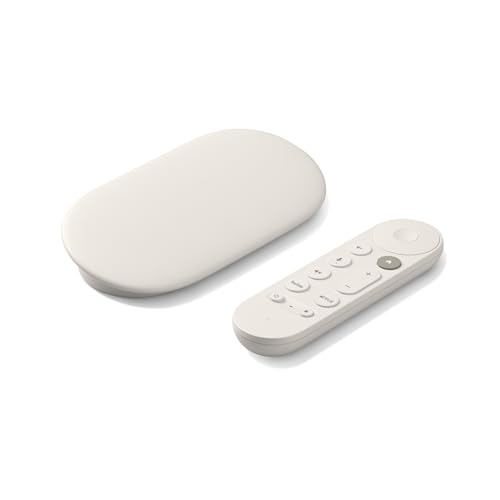
The most-reviewed streaming devices on Proovad are, in this category, all from Amazon's Fire TV line, which reflects how dominant that ecosystem is here. These plug-in sticks and players turn any HDMI television into a smart streaming hub, giving access to apps for movies, shows, and live content through a single interface and remote. The main differences come down to video quality, from HD up to 4K, and the processing power that affects how smoothly the interface runs. Because a streaming device is judged on a fast, reliable experience at the resolution your TV supports, matching the model to your television and internet is what matters most.
What to look for
Start with your television's resolution, because there is no benefit paying for more than it can show. A 4K streaming device only pays off on a 4K TV, while an HD model is the sensible, cheaper match for a 1080p set. Check what your TV actually supports before choosing.
Weigh performance, since it shapes everyday use more than buyers expect. A faster device loads apps, navigates menus, and starts playback more smoothly, which matters every time you use it. Stepping up from the most basic model often buys a noticeably snappier experience.
Consider your internet connection alongside the device. Smooth high-resolution streaming depends on adequate bandwidth, so 4K is only worthwhile if your connection can sustain it. For a slower connection, an HD device avoids paying for a resolution you cannot reliably stream.
Finally, think about the features and remote. Voice control, the included remote, and support for the apps and services you use all affect the experience. Confirm the device runs the streaming services you rely on, and consider whether voice search and TV-power controls on the remote add convenience for you.
Frequently asked questions
Do I need a 4K streaming device?
Only if you have a 4K television and an internet connection fast enough to stream at that resolution. On a 1080p TV, an HD streaming device is the sensible, cheaper match, since you cannot benefit from more resolution than the screen shows.
Why does streaming device performance matter?
A faster device loads apps, navigates menus, and starts playback more smoothly, which you notice every time you use it. Stepping up from the most basic model often buys a noticeably snappier, less laggy experience.
Does my internet speed affect which device to buy?
Yes. Smooth high-resolution streaming needs adequate bandwidth, so 4K is only worthwhile if your connection can sustain it. On a slower connection, an HD device avoids paying for a resolution you cannot reliably stream.
What features should I look for in a streaming device?
Confirm it supports the apps and services you use, then weigh conveniences like voice search and a remote that controls your TV's power and volume. These affect everyday ease of use more than headline specs.
Key terms
- 4K (Ultra HD)
- A high resolution four times that of 1080p, beneficial only on a 4K TV with sufficient streaming bandwidth.
- HDMI
- The port a streaming device plugs into on a television to deliver video and audio.
- Interface
- The on-screen menu system for finding and launching apps, whose smoothness depends on the device's processing power.
- Voice remote
- A remote with voice search and often TV controls, letting you find content and adjust the TV by speaking.
Top picks
Our top three Streaming Devices, and what sets each apart.

Amazon
Amazon Fire TV Stick 4K Plus
Ranked #1 of 6 in our Streaming Devices lineup.
See on Amazon
Amazon
Amazon Fire TV Stick 4K Max
Ranked #2 of 6 in our Streaming Devices lineup.
See on Amazon
Amazon
Amazon Fire TV Stick HD
Ranked #3 of 6 in our Streaming Devices lineup.
See on Amazon